
Lorain Directory Collections
There is no verified single, uninterrupted run of Lorain city directories. Instead, the evidence points to several holdings with different access paths. The Lorain Public Library System, or LPLS, says its Main Library Special Collection has most formerly published Lorain editions back to 1903, but it does not publish an issue-by-issue list. The Lorain County Chapter of the Ohio Genealogical Society, known as LC-OGS, can check selected physical volumes. Cleveland Public Library offers a regional microfilm fallback, while the Lorain Historical Society can research older material by request.
| Collection | Years | Where Held | Access |
|---|---|---|---|
| LPLS Lorain city and telephone directories | Most published editions back to 1903, individual years not published | Main Library Special Collection | Reference, open stack |
| LC-OGS directory lookup volumes | 1891, 1895, 1908, 1909, 1912, 1919-20, 1926, 1937, 1940, 1960, 1976 | Local genealogical society | Scope-appropriate volunteer lookup |
| Lorain directory microfilm | 1903-1929; 1937-1960 | Cleveland Public Library History Department | Regional reading-room fallback |
| Older Lorain directories | Exact shelf years not published | Lorain Historical Society, Carnegie Center | Appointment or research request |
Each row answers a different question. The LPLS shelf is best for a known Lorain edition. LC-OGS is useful when its Lorain point years match the target. CPL fills two documented Lorain microfilm spans. The Lorain Historical Society is the stated fallback when a desired year is absent. Do not blend those spans into one claim of continuous coverage.
Note: A directory year records the publication’s evidence date, not an automatic date for every event mentioned in a family story.
Lorain City Directory Shelf
The LPLS genealogy collection is the primary local shelf for Lorain city and telephone directories. The Lorain Main Library is at 351 W. Sixth Street. Its second-floor Lorain Special Collection is open-stack reference material, so the books stay there rather than circulating. A catalog check or a reference librarian can help narrow the first volume to inspect. The Lorain local-history contact is local-history@lpls.info, and research copies cost 10 cents a page.
The Library local-history guidance shows the research setting for this Lorain city directory shelf.
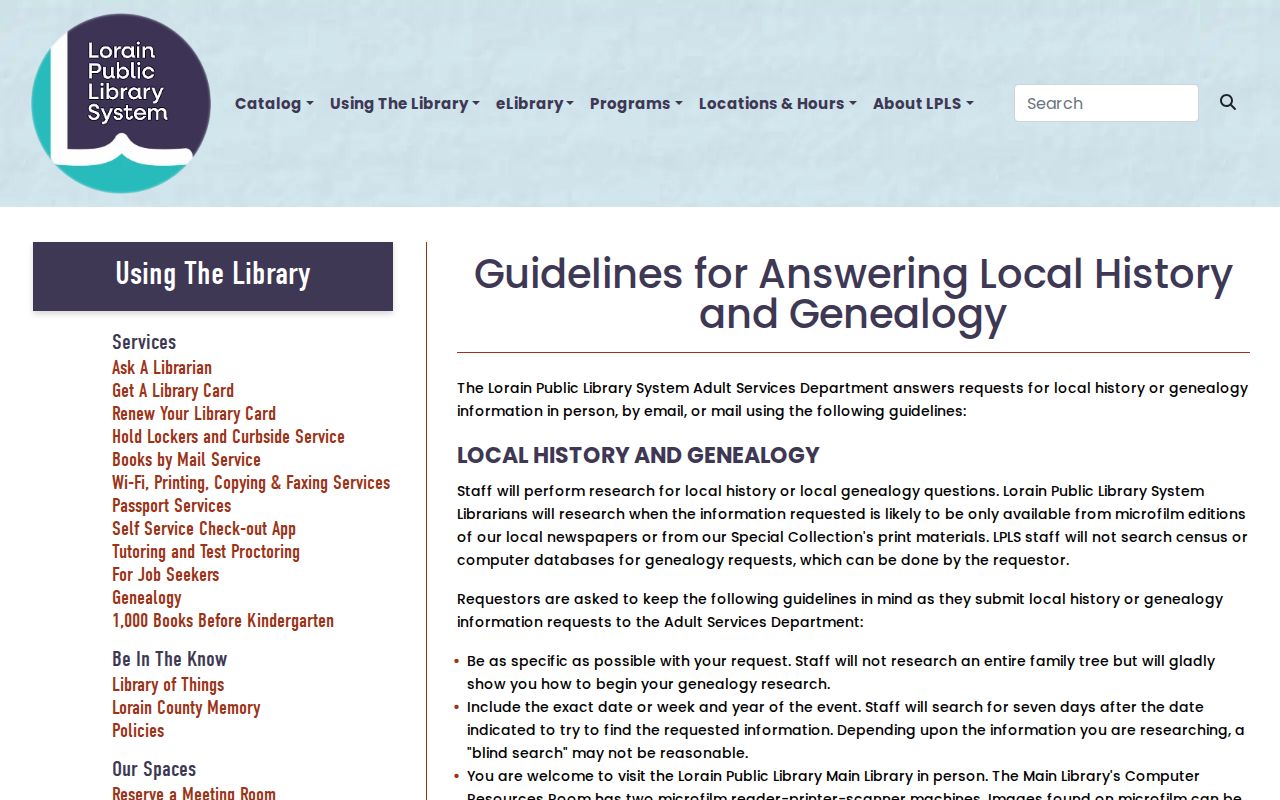
That service is a practical bridge when the needed entry is on print or microfilm rather than in an open web index.
LPLS also holds newspapers, maps, yearbooks, church histories, biographies, clippings, the Albert Doane archive, and an obituary-index contribution. Those companion sources matter because the directory itself gives only a volunteered name, address, and telephone number. They can supply a date, an event, or a spelling variant without turning one listing into a full biography.
Lorain Directory Point Years
The LC-OGS research-help route identifies exact Lorain editions a volunteer may check: 1891, 1895, 1908 Black River/Lorain City, 1909, 1912, 1919-20, 1926, 1937, 1940, 1960, and 1976. These are availability points, not proof that a person appeared in all intervening years. A request works best when it gives a surname or address, the selected edition, and the detail sought from the page.
The same catalog evidence identifies R. L. Polk & Co. Lorain city directories for 1954, 1958, 1974, and 1976. A cited 1929 Polk page supports Polk’s role in at least the late 1920s. It does not establish a complete Lorain publisher sequence. Record the Lorain book’s title, publisher, date, and page before using any entry as evidence.
The Lorain County OGS research help describes the local volunteer route for these selected editions.
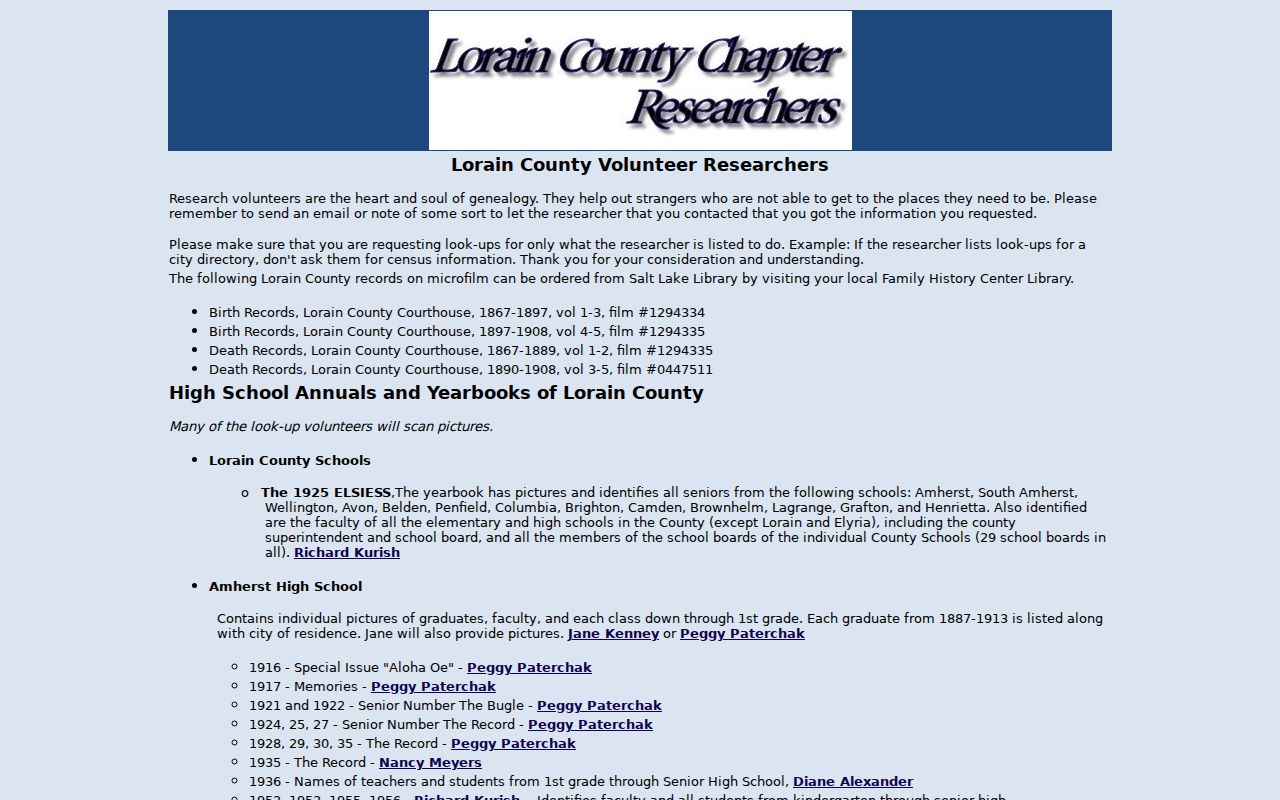
A point-year lookup is strongest when it preserves the volume and page, rather than reporting only a name match.
Reading a Lorain City Directory
An LPLS Lorain city directory entry is defined locally by three basics: a name, an address, and a telephone number. Inclusion was voluntary. The public collection description does not provide a digitized sample page or an abbreviation key. That gap is important. It means an entry should be transcribed from the actual volume, not reconstructed from common directory patterns found in another city or another publisher’s series.
| Verified printed content | Record the displayed name, street address, and telephone number when present. |
|---|---|
| Volume identity | Record the exact title, publisher, edition year, and page. |
| Symbols or short forms | Copy them only after checking the abbreviation key in that volume. |
| Unverified features | Do not assume spouse, occupation, ownership marks, or a reverse section. |
- Criss-cross directory
- An address-order section, if a specific volume contains one. Lorain research did not verify a citywide run of these sections.
- Householder index
- An index that names household heads when a particular publication prints such an index.
- Abbreviation key
- The volume’s own explanation of marks and short forms. Photograph or copy it with the entry when it exists.
A Lorain Polk issue and an earlier local pamphlet can use different layouts and inclusion rules. The careful Lorain inventory is therefore modest by design: first preserve what the page shows, then ask the repository about copying or scanning under its rules. No Lorain local source located during research supports a generic claim about spouse labels, occupations, owner marks, or a reverse listing.
Lorain Directory Gap Routes
When the desired Lorain directory year is missing, use the next route in the documented chain. CPL’s History Department holds microfilm for 1903-1929 and 1937-1960. The Historical Society at the Carnegie Center, 329 W. 10th Street, accepts appointment or request-based research for older directories. Its published service gives the first 15 minutes free, bills additional research at $25 an hour, and estimates a usual response in two to four weeks. Ask for a surname, address, and target years.
The Lorain Historical Society research service is the official starting point for that request-based fallback.
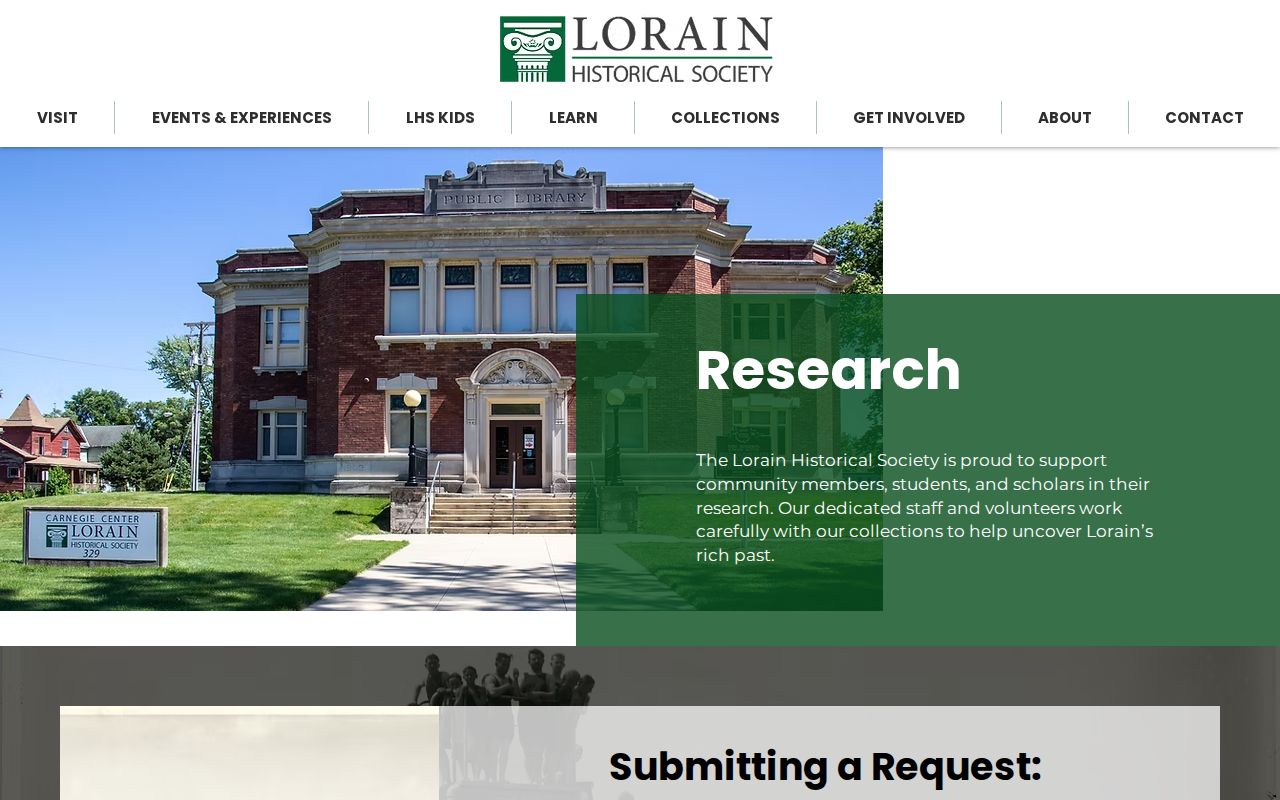
The Society’s historical collections can add community context, but a requested directory page remains the item to cite for a directory claim.
Older collections also include LPLS yearbooks and the Library-led Lorain County Memory collections. Yearbooks are useful for school-era corroboration. They do not establish a later address. County Memory also includes city-history materials and a digitized chronology/index, which can help place an institution or event around a known directory date.
Newspapers Beside Lorain Directories
Directory dates become more useful when paired with the local newspaper run closest to them. LPLS reports microfilm for the Lorain Daily Democrat from October 1900 through June 1903, the Lorain Times-Herald from May 1901 through December 1932, and the Lorain Daily News from January 1904 through August 1918. The Lorain Journal/Morning Journal run begins in 1922, while the Lorain Labor Leader is reported for May 1943 through December 1946 and January 1981 through December 1982.
The Main Library has two reader/printer/scanners that can save JPEG scans. Staff accepts targeted requests for material that is only in print or microfilm, but missing issues remain possible. LPLS also contributed more than 70,000 local obituary records to the Ohio Obituary Index. An obituary, newspaper notice, or cemetery record can anchor a family event, yet it should be checked against a certificate, probate record, or the original notice when the question requires legal accuracy.
The Lorain County Memory collections add digitized yearbook and city-history paths around a directory date.
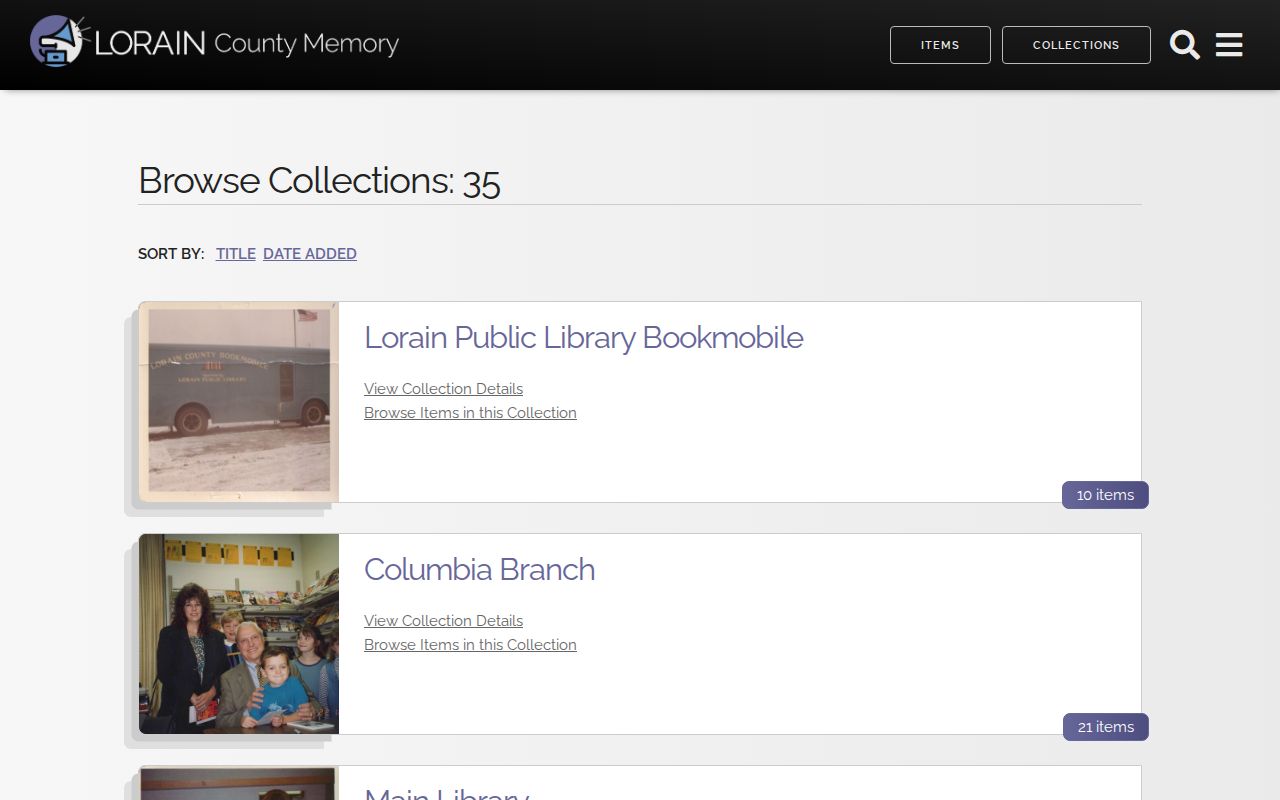
Digital collection material supplies context and leads, while the printed directory page supplies the dated listing itself.
Note: Microfilm coverage describes reported holdings, not a guarantee that every newspaper issue survives or can be located.
Tracing a Lorain Household
Use the historical city directories as a sequence, not a one-step answer. Begin with the nearest verified edition to a known name or historical address. The goal is to preserve each source’s date and wording, then test changes against independent records. Census material can help, but it must be paired with a directory year rather than substituted for one. LPLS has census microfilm through 1920 for Lorain and nearby counties, plus Lorain County 1930, while the 1890 population census was almost entirely destroyed.
- Select the closest verified directory edition and transcribe the entry, page, publisher, and printed address exactly.
- Check the next available edition, not merely the next calendar year. The known Lorain run has gaps.
- Use newspaper notices, the obituary index, and local marriage, birth, or death films for a dated anchor.
- Pair the sequence with publicly released federal census material and the correct township or ward context.
- For a changed street description, compare the printed wording with the appropriate Sanborn edition and the Auditor or Recorder legal description.
A missing voluntary entry does not prove that a person moved, died, or left Lorain. Census order is not a street index either. For current address-keyed records after the historical trail ends, use the Lorain street address directory rather than treating an old listing as present evidence.
Charleston in Lorain Indexes
Historical place names can decide whether a search succeeds. Lorain County organized in 1824, so a pre-1824 family or place may appear in Huron, Medina, or Cuyahoga County material. The settlement was known as Black River Village and then Charleston. The Lorain name was adopted with village incorporation in 1874 because another Ohio Charleston already existed.
This is a useful local index key, not evidence that a family moved. Search original spelling and place-name variants carefully. The same discipline applies to surnames in a city with layered migration and community history. The Historical Society’s Black History Archives, Latino Lorain resources, and Community Stories may add a locally curated lead, but they are not membership rolls or current address lists.
The City of Lorain staff directory is a separate public contact directory with category, first-name, and last-name controls.
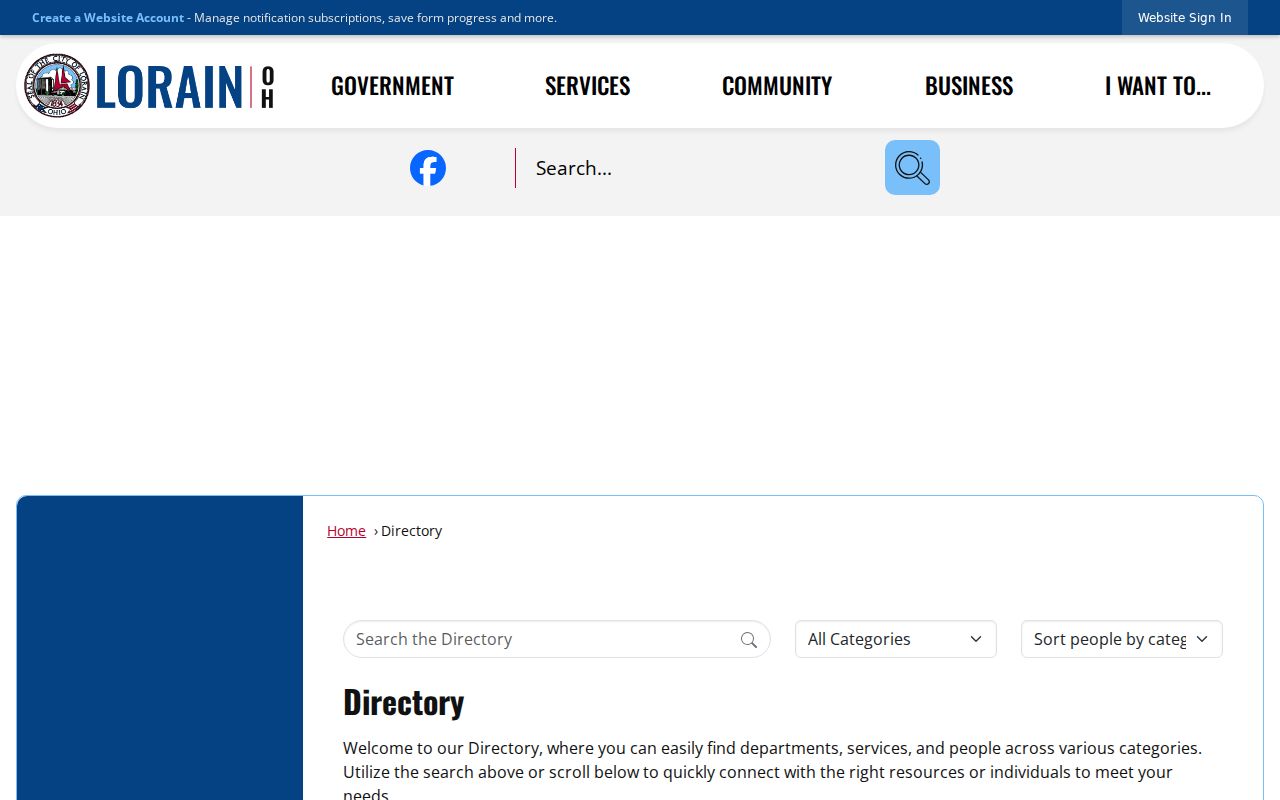
It helps reach a City department, but it is not a directory of Lorain residents or a substitute for the historical collections.
Lorain Directory Evidence Dates
Two dates deserve separate notes: the date of the historical event or address, and the date of the surviving publication. A volume printed later can be a valuable lead, but it cannot silently be treated as a record from the earlier event. The documented record history also has clear limits. No authoritative source confirmed a county courthouse fire, a blanket destruction story, a final printed Lorain directory year, a citywide criss-cross run, or a Recorder imaging cutover.
| 1824 | Lorain County organized; LPLS reports Recorder records and Probate marriages from this point. |
|---|---|
| 1874 | The village adopted the Lorain name after the Charleston period. |
| 1891 | First LC-OGS point-year directory lookup listed in the local inventory. |
| 1903 | LPLS reports most formerly published Lorain editions back to this year; CPL microfilm begins its listed first span. |
| 1937 | CPL’s second listed microfilm span begins. |
When a volume, issue, or index is absent, ask the actual repository whether that series is missing. The library’s Special Collection, Doane archive, County Memory digitization, and newspaper or census films provide the local bridge after an online county source reaches its own cutoff.